
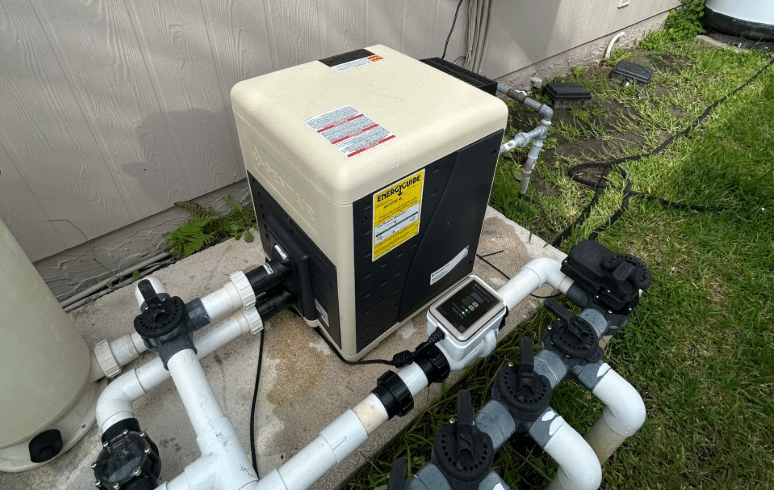
Pool Heater Cost in Florida: Gas vs Heat Pump vs Solar
One of the most common upgrade questions Florida pool owners ask is simple:
“How much does it really cost to heat a pool?”
The answer depends heavily on how you heat it. In Florida, the three most common options are gas heaters, electric heat pumps, and solar pool heaters—and each has very different upfront costs, operating expenses, and use cases.
Below is a real-world breakdown, without sales hype or unrealistic promises.
Average Pool Heater Costs in Florida (Installed)
| Heater Type | Installed Cost Range |
|---|---|
| Gas Pool Heater | $4,500 – $7,500 |
| Heat Pump Pool Heater | $5,000 – $8,500 |
| Solar Pool Heater | $4,000 – $6,500 |
Pricing varies based on pool size, plumbing distance, electrical or gas availability, and automation integration.
Gas Pool Heaters (Natural Gas or Propane)
Best for: Fast heating, spas, occasional use
Pros
-
Heats water quickly
-
Works regardless of air temperature
-
Ideal for attached spas
-
Reliable year-round
Cons
-
Highest operating cost
-
Requires gas line or propane tank
-
Less energy efficient long-term
Typical Operating Cost
-
$5–$10 per hour depending on gas rates and pool size
Bottom Line
Gas heaters are excellent when you want quick heat on demand, especially for spas—but they are not economical for continuous pool heating.
Heat Pump Pool Heaters
Best for: Consistent pool heating, extended swim seasons
Pros
-
Very energy efficient
-
Lower monthly operating cost
-
Ideal for Florida’s climate
-
Works well with automation systems
Cons
-
Slower to heat than gas
-
Less effective in colder winter nights
-
Higher upfront cost
Typical Operating Cost
-
$1–$3 per hour depending on electricity rates and run time
Bottom Line
For most Florida homeowners, heat pumps offer the best long-term value when used consistently.
Solar Pool Heaters
Best for: Minimal operating cost, daytime heating
Pros
-
Extremely low operating cost
-
Uses Florida sunshine
-
Long lifespan
-
Environmentally friendly
Cons
-
Weather dependent
-
Limited winter performance
-
Requires roof or ground space
-
Slower heating response
Typical Operating Cost
-
Nearly free (after installation)
Bottom Line
Solar works best as a supplemental heating option, not a primary heat source for year-round swimming.
Which Pool Heater Makes Sense in Florida?
Here’s the honest recommendation based on usage:
-
Spa + occasional pool heating: Gas heater
-
Extended swim season: Heat pump
-
Minimal cost, seasonal use: Solar
-
Best overall setup: Heat pump + gas spa heater
Important Factors Most Homeowners Miss
Before choosing a heater, you should consider:
-
Pool volume (gallons)
-
Desired water temperature
-
Electrical panel capacity
-
Gas availability
-
Automation compatibility
-
HOA or zoning restrictions
Skipping these steps often leads to undersized heaters, high bills, or poor performance.
Professional Installation Matters
Pool heaters are not plug-and-play devices. Proper installation affects:
-
Efficiency
-
Equipment lifespan
-
Warranty coverage
-
Safety
-
Code compliance
A licensed contractor ensures your system is sized correctly, installed safely, and integrated properly.
Thinking About Heating Your Pool?
If you’re considering a pool heater upgrade—or replacing a failing unit—it’s worth doing it right the first time.
A properly designed system can dramatically improve comfort without wasting money.
Considering a pool heater upgrade in Jacksonville or surrounding areas?
We specialize in professional pool equipment upgrades designed for Florida conditions.
Contact Scott’s Pools & Spas to discuss the right solution for your pool.